
Have a passion for food but not ready to invest in a full-scale restaurant? Say hello to the cloud kitchen — a business model that’s disrupting the food industry and making entrepreneurship more accessible than ever.
If you’ve been dreaming of launching your own food brand, this blog will walk you through how to start a cloud kitchen — step-by-step — with tips, tools, and real-world advice.
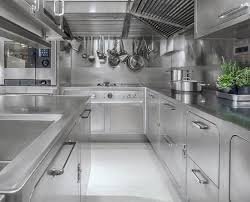
What Is a Cloud Kitchen?
Also called a ghost kitchen, dark kitchen, or virtual restaurant, a cloud kitchen is a delivery-only setup where food is prepared and sent to customers via apps like Zomato, Swiggy, or Uber Eats. There’s no physical dine-in space — just a kitchen and a strong online presence.
Step-by-Step Guide to Starting a Cloud Kitchen
1. Decide Your Niche & Menu
Start by defining:
What type of food will you serve?
Who is your target customer?
What cuisines are trending or under-served in your area?
Tip: Keep your menu small, scalable, and delivery-friendly. Burgers, biryani, wraps, and meal boxes are top performers.
2. Choose the Right Location
Your location should balance cost and demand. You don’t need a prime spot — just a kitchen space close to high-order zones.
Consider:
Areas with high delivery demand
Easy access for delivery partners
Affordable rent and utilities
3. Get the Legal Stuff Done
Before you start cooking, make sure you’re compliant with local food laws.
You’ll need:
FSSAI License
GST Registration
Fire Safety Certificate (if applicable)
Trade License from your municipality
Pro tip: Consider consulting a local legal advisor or food business consultant.
4. Build a Strong Brand
Even if you don’t have a physical store, branding is everything in the cloud kitchen world.
Essentials:
A memorable brand name and logo
Attractive packaging
Professional food photos
Engaging social media presence
5. Partner With Delivery Platforms
List your kitchen on:
Swiggy
Zomato
Uber Eats (if available in your area)
Also consider launching your own website/app to reduce commission dependency and build customer loyalty.
6. Set Up Your Kitchen
You can:
Rent a commercial kitchen space
Use a shared cloud kitchen facility (like Rebel Foods, Kitchens@, or local providers)
Set up your own kitchen (if budget allows)
Equip it with:
Cooking equipment
Storage units
Food-grade packaging material
Hygiene and safety essentials
7. Market Your Cloud Kitchen
Don’t just rely on delivery apps. You need to actively build awareness.
Use:
Instagram & Facebook ads
Influencer marketing
Local promotions
Google My Business & reviews
Offer first-time discounts, loyalty programs, and combo deals to attract and retain customers.
8. Track Performance & Optimize
Monitor:
Order volume
Popular items
Customer reviews
Delivery time
Use analytics from food delivery platforms and Google to tweak your menu and improve operations.
How Much Does It Cost to Start a Cloud Kitchen?
It depends on the scale, but here’s a rough breakdown:
Item Estimated Cost (INR)
Kitchen Setup ₹2–5 lakhs
Licenses & Legal ₹15,000–₹25,000
Staff (Initial) ₹30,000–₹70,000/month
Packaging & Branding ₹20,000–₹50,000
Marketing (Initial) ₹15,000–₹30,000
A lean model can start at around ₹3–6 lakhs.
Final Thoughts
Cloud kitchens are opening doors for passionate foodpreneurs across the world. With the right concept, execution, and customer experience, you can build a successful food brand — without the cost of a traditional restaurant.
In a world where convenience and quality rule, now is the perfect time to go digital with your culinary dreams.
Ready to Start?
We help new foodpreneurs launch and scale their cloud kitchens — from setup to marketing. Want a free consultation? Contact us now and let’s get cooking!
Keywords (for SEO):
how to start a cloud kitchen, cloud kitchen setup, ghost kitchen business, food delivery business plan, cloud kitchen cost, online food startup, virtual restaurant guide